Advice that helps someone else may not help you in the same way. Origin asks about your sleep, appetite, energy, and reactions to everyday situations to understand what is usual for you. It uses ideas from Ayurveda to bring your answers together in a written explanation of your usual tendencies and what has changed lately.
Here, your biological baseline means the physical and behavioral tendencies you usually notice over time. Examples include how hungry you tend to feel, how easily you fall asleep, and how you react when plans change.
01
Why advice that helps someone else may not help you.
Most health advice gives you a set of rules: what to eat, when to exercise, and how much to sleep. But those rules may leave out an important variable: your biological baseline.
You have never had more data about your body, yet you still might not know exactly what to do with it. Your smartwatch gives you sleep or recovery scores, but you may still be unsure what to do with them.
You might feel focused after a morning without breakfast, while someone else feels distracted and hungry. Looking at what is usual for you, alongside your sleep, meals, and daily demands, gives those experiences context.
02
What Origin takes from Ayurveda.
Before microscopes, blood tests, and medical imaging, physicians relied on what they could observe: how people ate, slept, moved, and reacted.
Medical traditions in India, China, and Greece also looked to nature to explain the body. They developed different frameworks for understanding why people differed and how their surroundings affected them.
Ayurveda used qualities such as heat, cold, movement, and stability to describe these differences. Origin draws on that approach to ask about experiences you can recognize in everyday life.
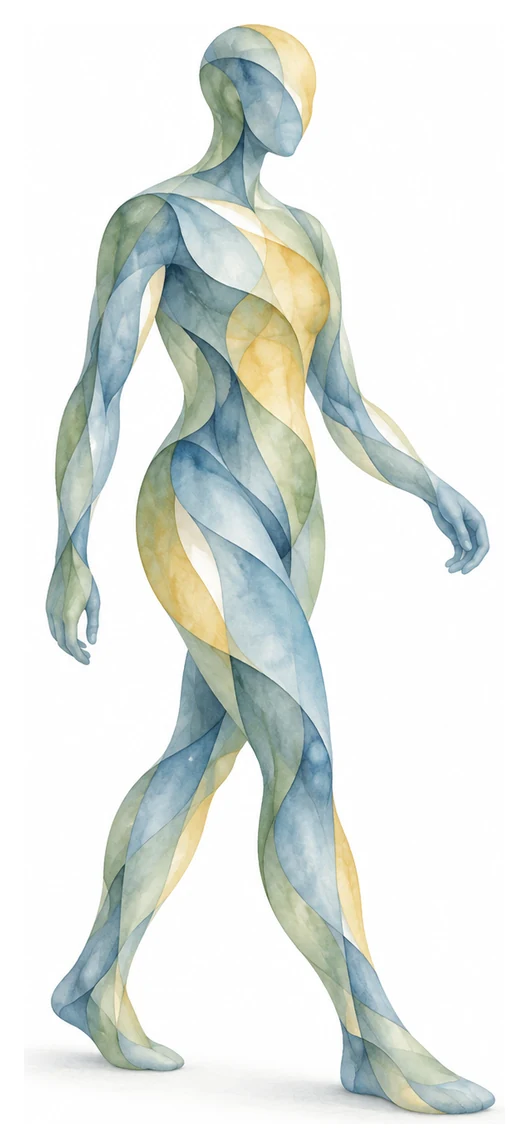
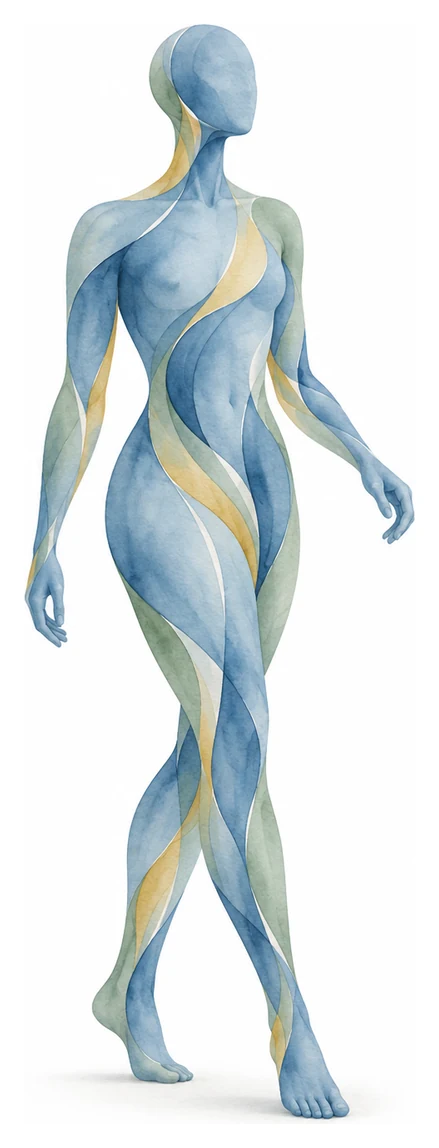
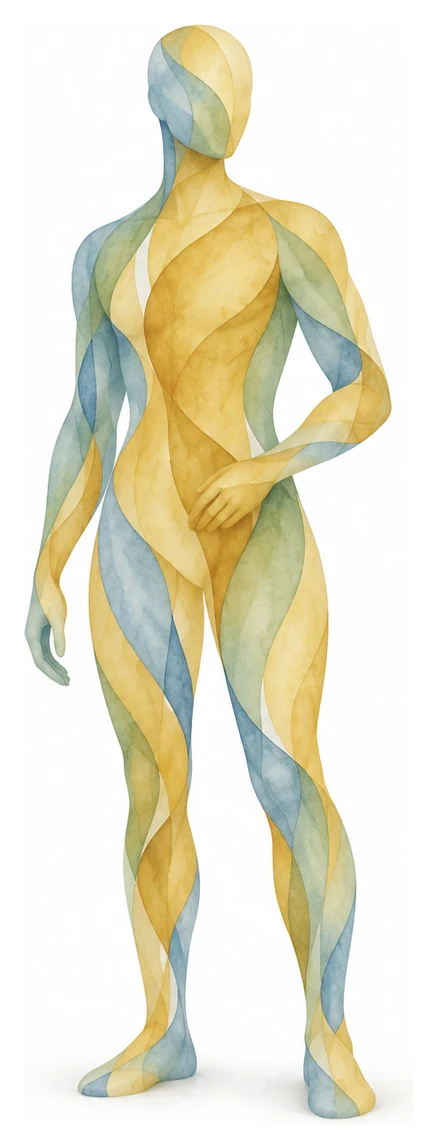
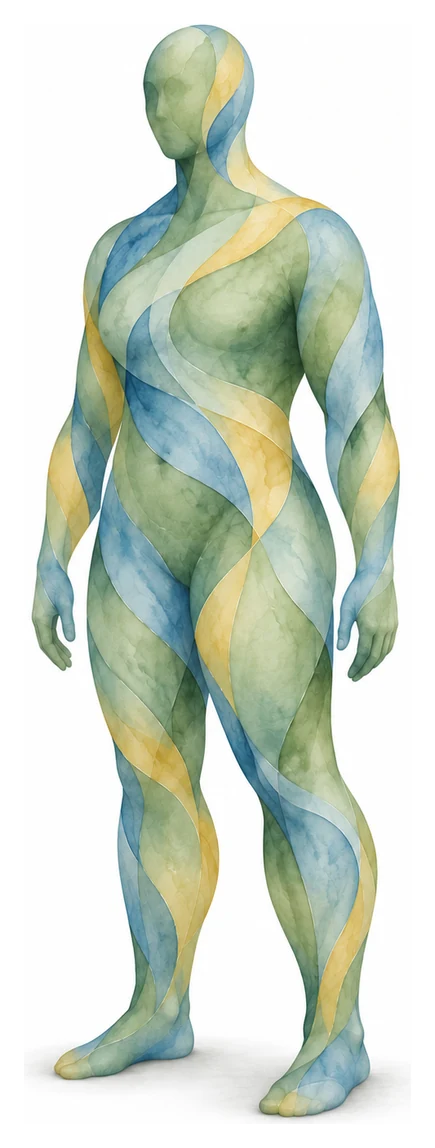
Ayurveda brings these observations together through three energies, traditionally called doshas: Vata, Pitta, and Kapha. These describe movement, transformation, and stability within the Ayurvedic framework.
In this framework, everyone has all three, in different proportions. You may recognize parts of yourself in more than one. Origin considers your answers together rather than basing your result on a single trait.
Vata — quick and adaptable
Vata is associated with movement. The questions look at experiences such as learning quickly, adjusting when plans change, or finding that your thoughts keep going when you want to sleep.
They also ask whether your appetite varies, whether your skin often feels dry, or whether you feel cold easily. You do not need to match every part of the description.
Pitta — sharp and driven
Pitta is associated with heat and transformation. The questions look at experiences such as feeling warm when others are comfortable, having a strong appetite, or feeling irritable when a meal is delayed.
The description also includes clear thinking, taking charge, and being hard on yourself when things do not go as planned. Think about which of these you regularly recognize in yourself.
Kapha — steady and calm
Kapha is associated with structure and stability. The questions look at experiences such as staying calm under pressure, being patient, and preferring familiar habits.
They also ask about your physical build, how easily you get hungry, and how you feel after waking. Your answers help describe what is usual for you, including both how you feel physically and how you respond to everyday situations.
03
Why we ask about different parts of your day.
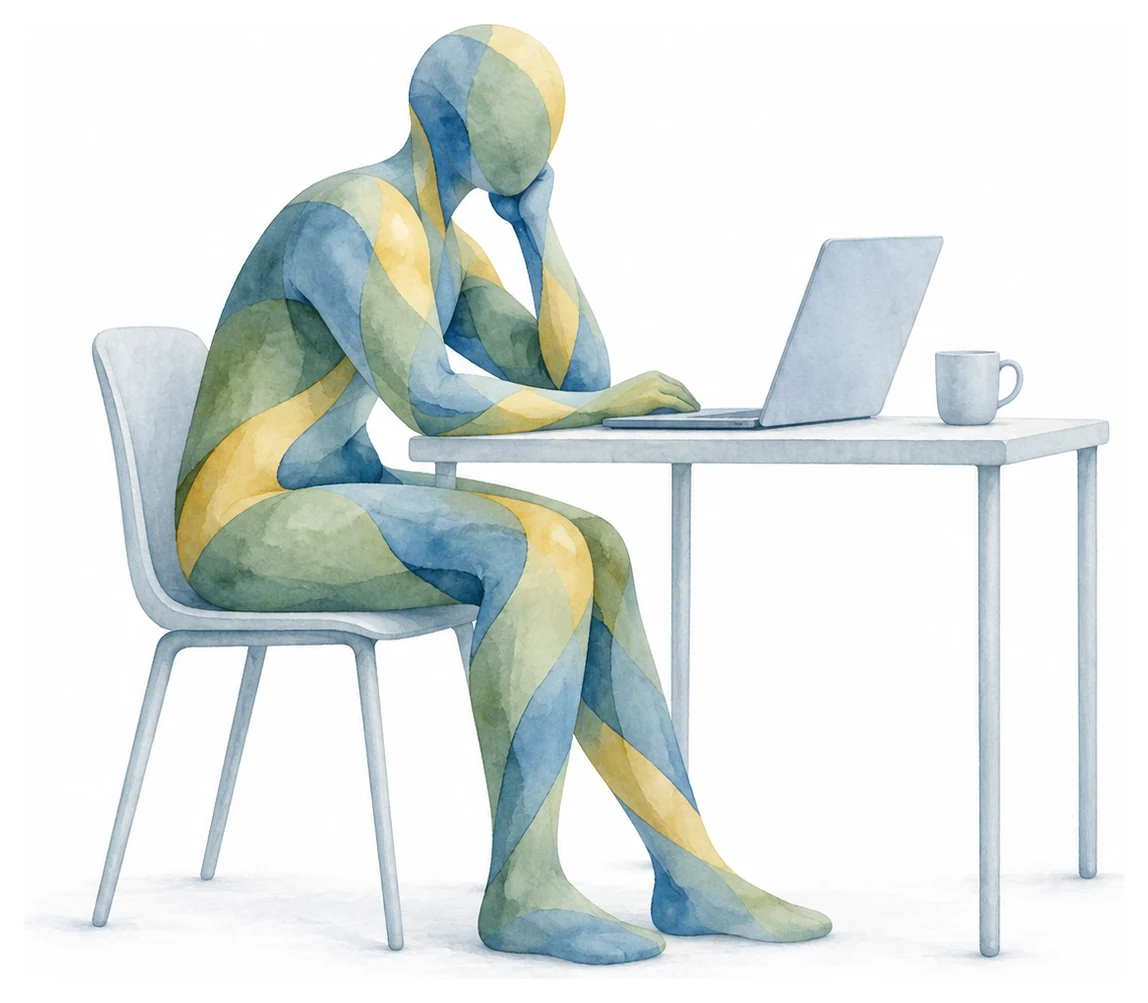
If you struggle to focus at 3 p.m., there may be several things to consider: how you slept, when you ate, and how demanding your morning was.
Did you sleep less than usual? Was lunch later than you expected? Had you spent the morning working without a break? Asking about these things together gives a fuller picture of your afternoon.
Origin looks at what you regularly experience and what has been different lately. The point is to help you notice connections in your day rather than treat every difficulty as a separate problem.
04
What your result tells you.
You receive a free written explanation based on your answers. It describes how you tend to think, react, sleep, and feel, using everyday language and examples.
It looks at what is usual for you and what has been different lately. It also explains how your answers relate to Vata, Pitta, and Kapha, and how those tendencies show up in everyday life.
You can compare the description with your own experience. The aim is to give you clearer words for what you notice about yourself, so you can understand your habits and reactions more easily.